The escalating tensions currently unfolding across the globe may represent only the opening chapter of a much broader geopolitical shift. While the immediate flashpoints appear connected to the United States and Israel, the ultimate consequences of this unrest could manifest far from its apparent point of origin.Astrological indicators in the coming months suggest that the center of gravity may gradually move eastward.On October 3, 2026, a significant lunar eclipse will occur, during which the Moon will take on a deep red hue — commonly known as a Blood Moon. This eclipse will form in the sign of Leo under Purva Phalguni Nakshatra, casting its seventh aspect toward Aquarius in Shatabhisha Nakshatra.In classical astrological literature, these nakshatras are associated with specific geographic regions. In modern terms: • Purva Phalguni corresponds to areas including Uttar Pradesh, Bihar, and West Bengal in India, as well as parts of Nepal and Bangladesh. • Shatabhisha is linked to Pakistan and Afghanistan, with extended influence reaching into Iran, the United Arab Emirates, and Oman.Traditionally, a Blood Moon is interpreted as a marker of heightened instability — often associated with war, bloodshed, political unrest, agricultural disruption, and in some cases, outbreaks of disease. The symbolism becomes more pronounced when the eclipse activates sensitive regional indicators, as appears to be the case here.However, the eclipse is only part of the equation.On March 4, 2026, Mars — the planet traditionally associated with warfare, aggression, weaponry, and fire — is set to enter Shatabhisha Nakshatra. Notably, Rahu will already be positioned there, and the residual effects of the lunar eclipse will remain active. In astrological terms, this alignment intensifies volatility.Mars entering an already activated Shatabhisha zone may act as a catalyst. The month of March 2026 could therefore mark a turning point, with geopolitical tensions potentially redirecting toward South Asia and its neighboring regions. Pakistan, India, Afghanistan, and Iran may find themselves increasingly drawn into a shifting strategic landscape.Additionally, this transit may create a condition known as Vedha in the national charts of Pakistan and India, suggesting the possibility of rising friction between Pakistan and Afghanistan, and potential involvement from India — altering both the direction and scale of regional dynamics.Whether symbolic or coincidental, the timing of these celestial movements aligns strikingly with an already fragile geopolitical environment.In uncertain times, prudence, diplomacy, and restraint remain more valuable than ever.May peace prevail.— Khalid Jamali

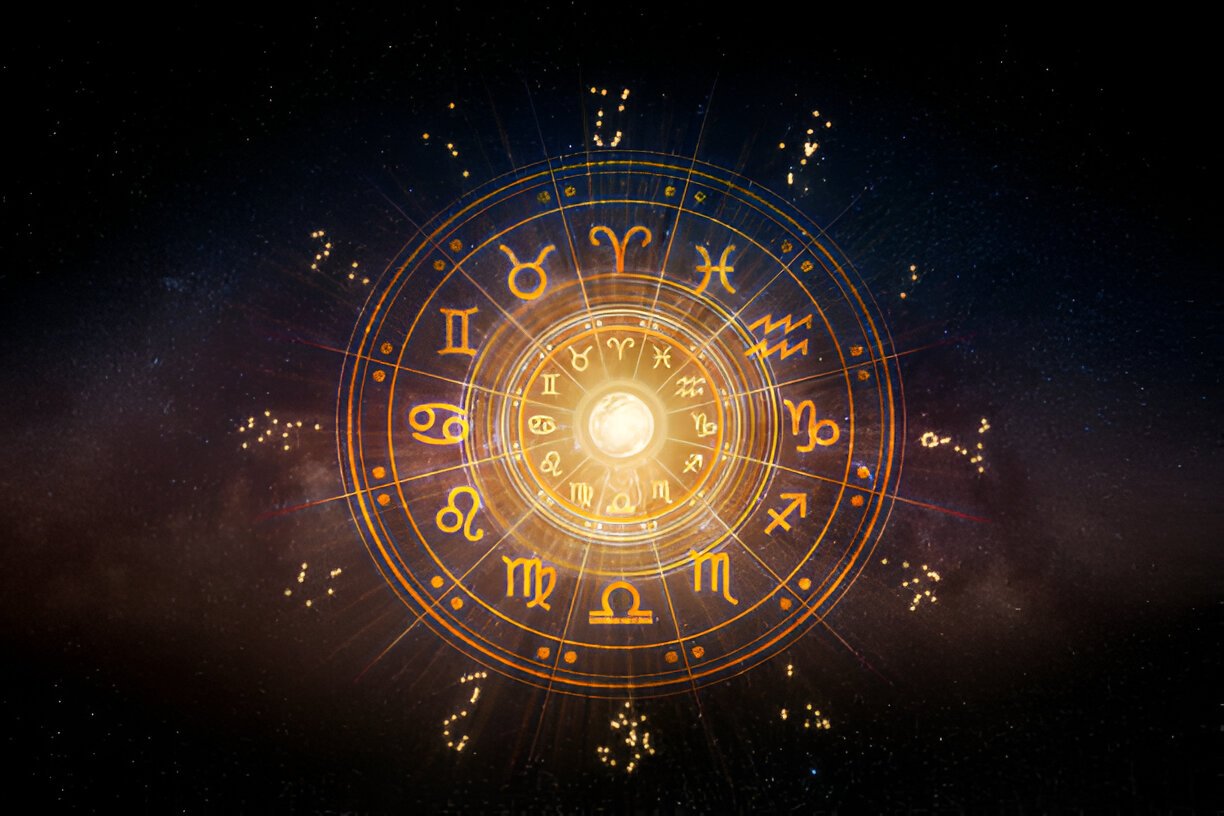
A Blood Moon Over Rising Tensions: An Astrological Perspective on Global Politics

جواب دیں

- Trending
- Comments
- Latest






نأتي لكم أفضل المواضيع و]ورد قسط التي مثالية للأخبار، مجلة، بلوق الشخصية، الخ تحقق صفحتنا المقصودة للحصول على التفاصيل.